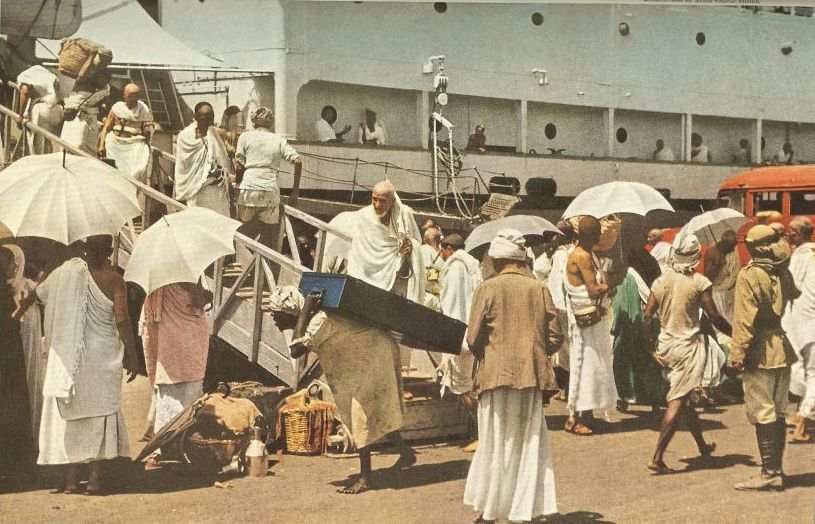
Many pilgrims would travel to Makkah via a ferry or a ship, in those days commercial air travel was still in its early stages and it was not as widely available as it is today.
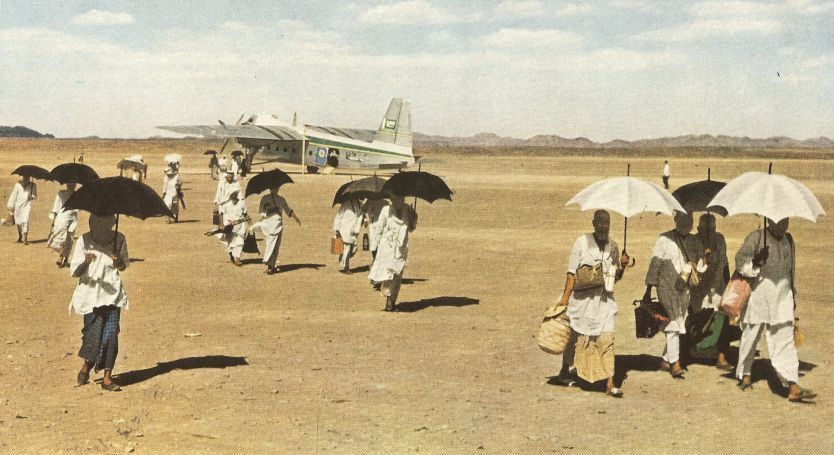
For those who could afford it, they would embark on their journey on board small planes from nearby countries.
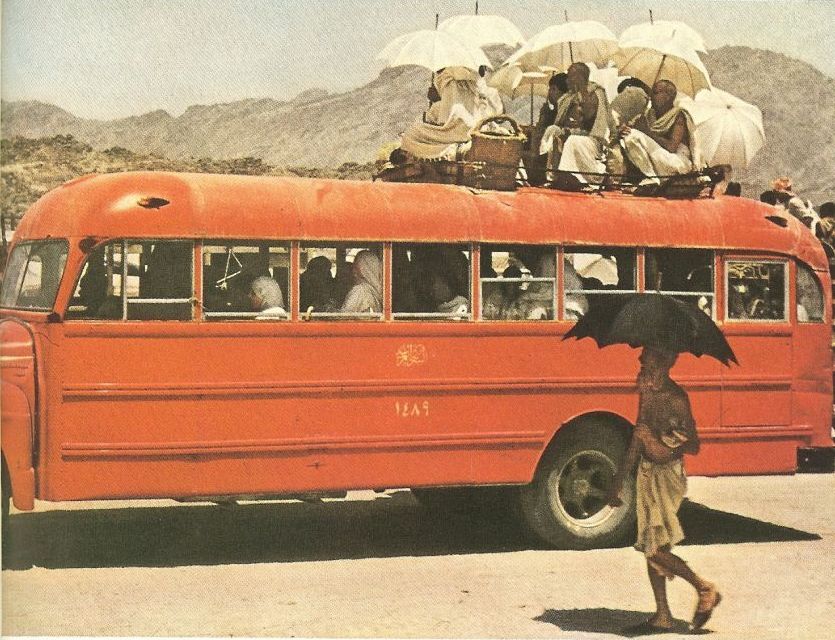
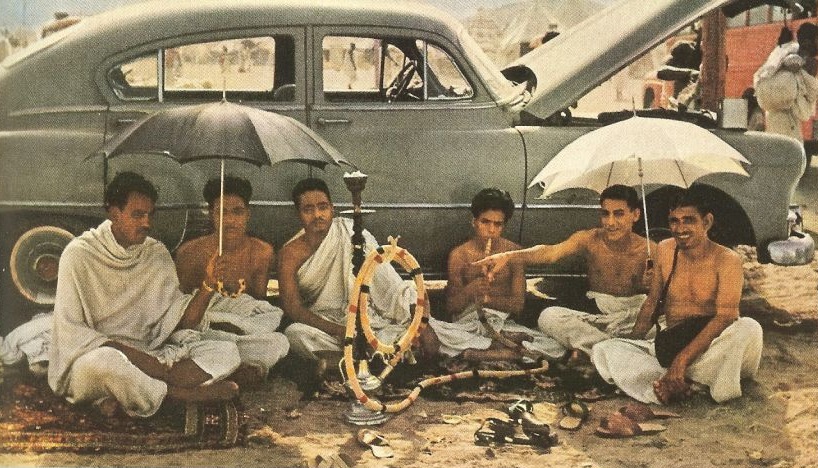
Like today, coaches and buses would be used to transport pilgrims from place to place.
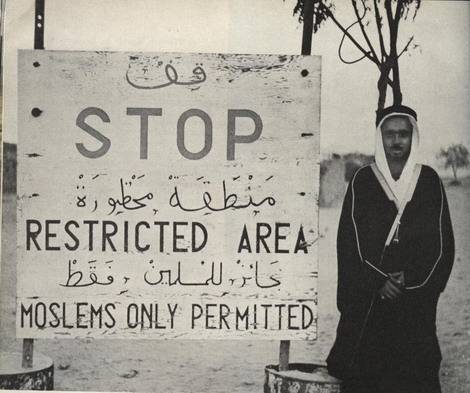
Muslims are only allowed to enter the places to perform Hajj.
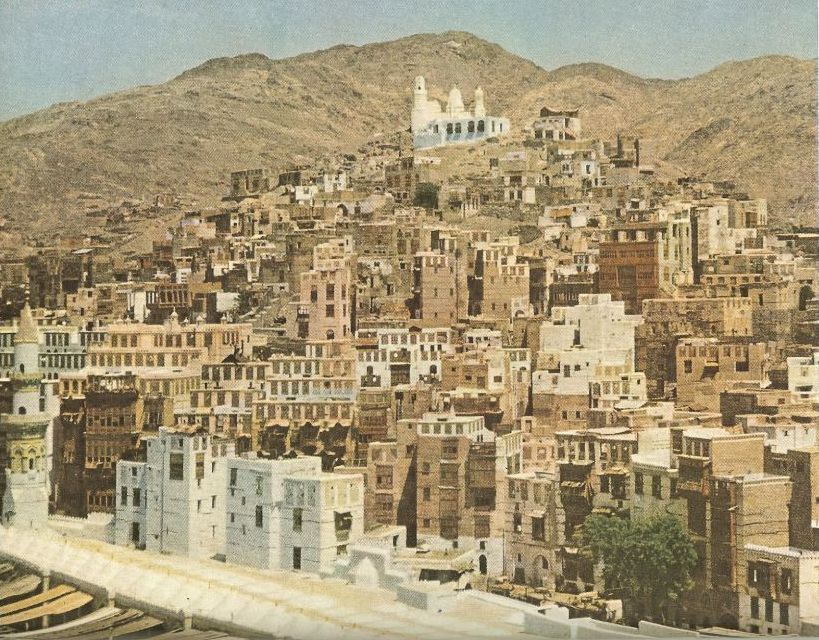
Homes and hotels can be seen outside of the sacred mosque’s perimeter. Much of these historical buildings have had to be demolished to make way for the mosque’s expansion.
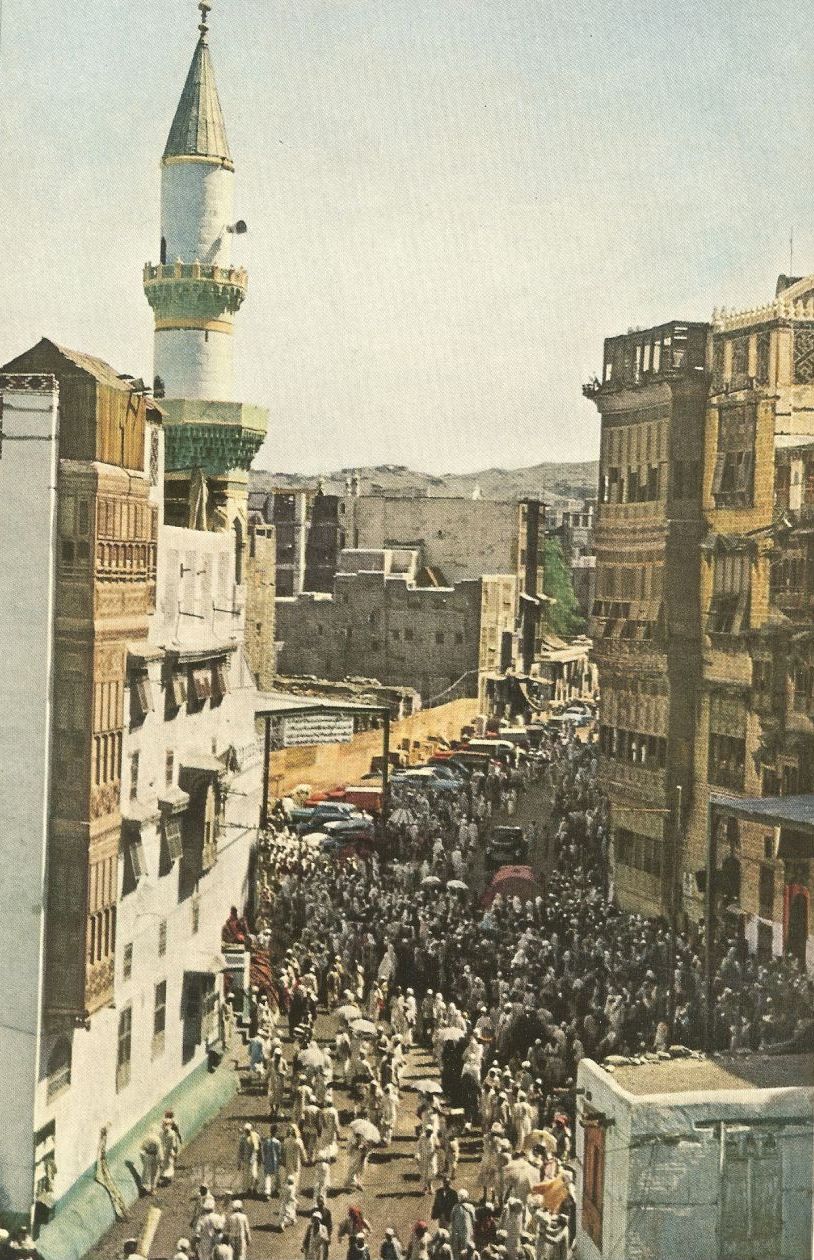
A busy street in Makkah. An Ottoman style minaret can be seen.
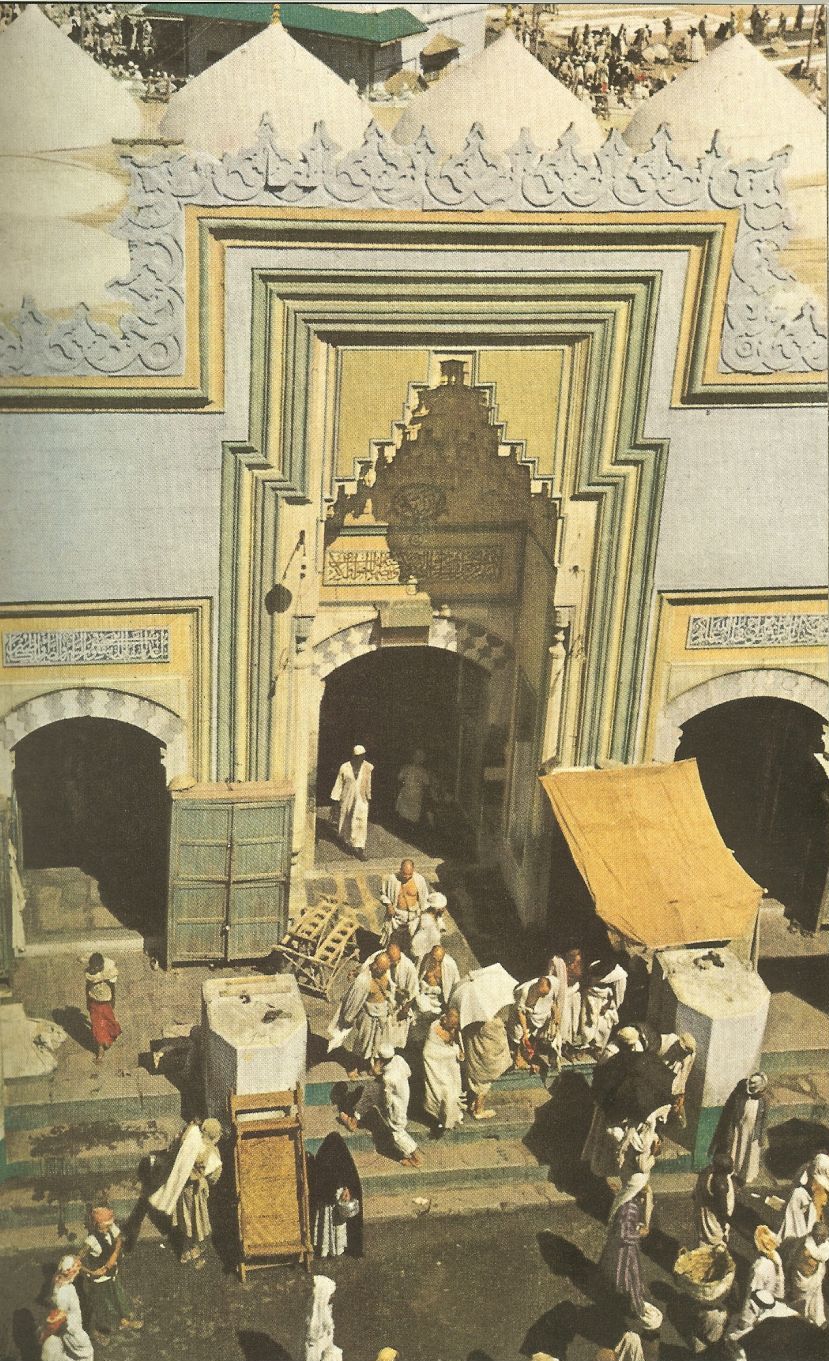
One of the entrances to the Masjid Al Haram.
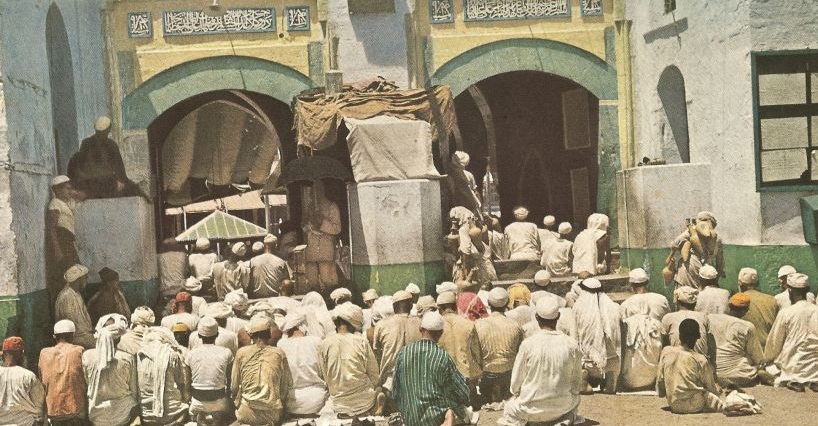
Worshippers outside the Mosque’s entrance.
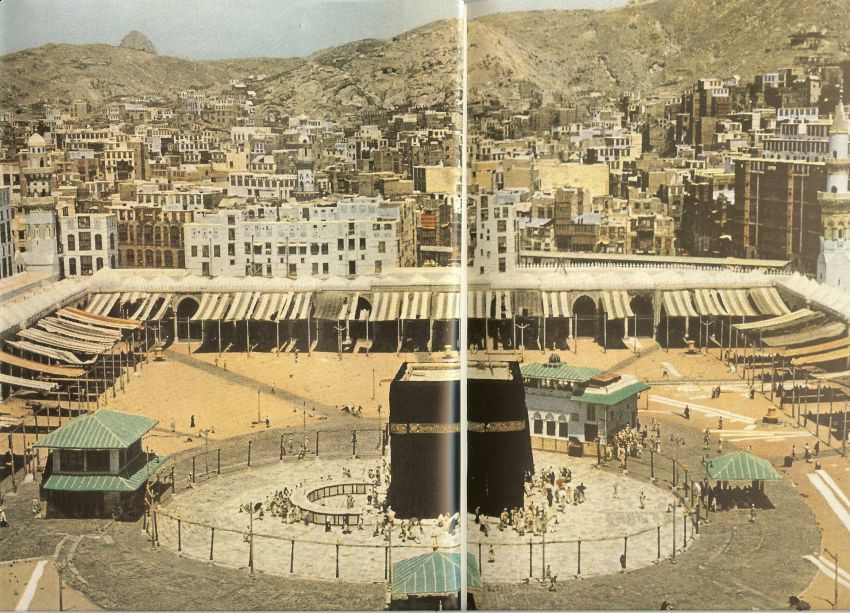
The Ka’ba and the Mataf area. There were no other floors back then.
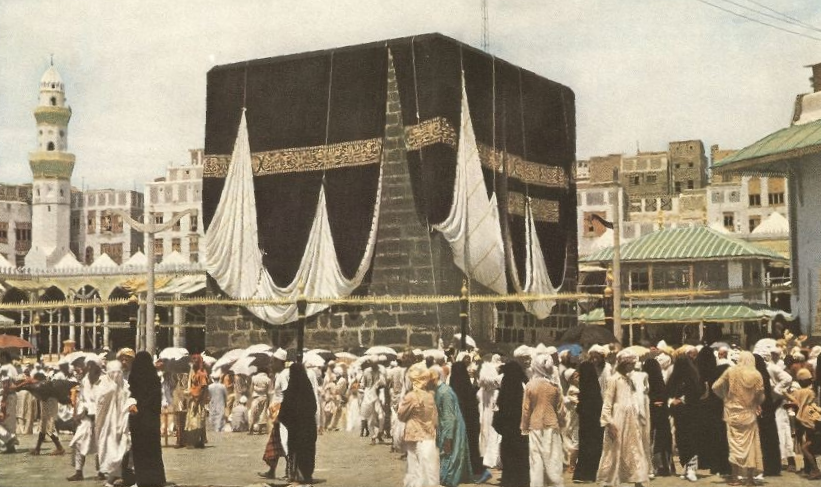
A close up view of the Ka’ba.
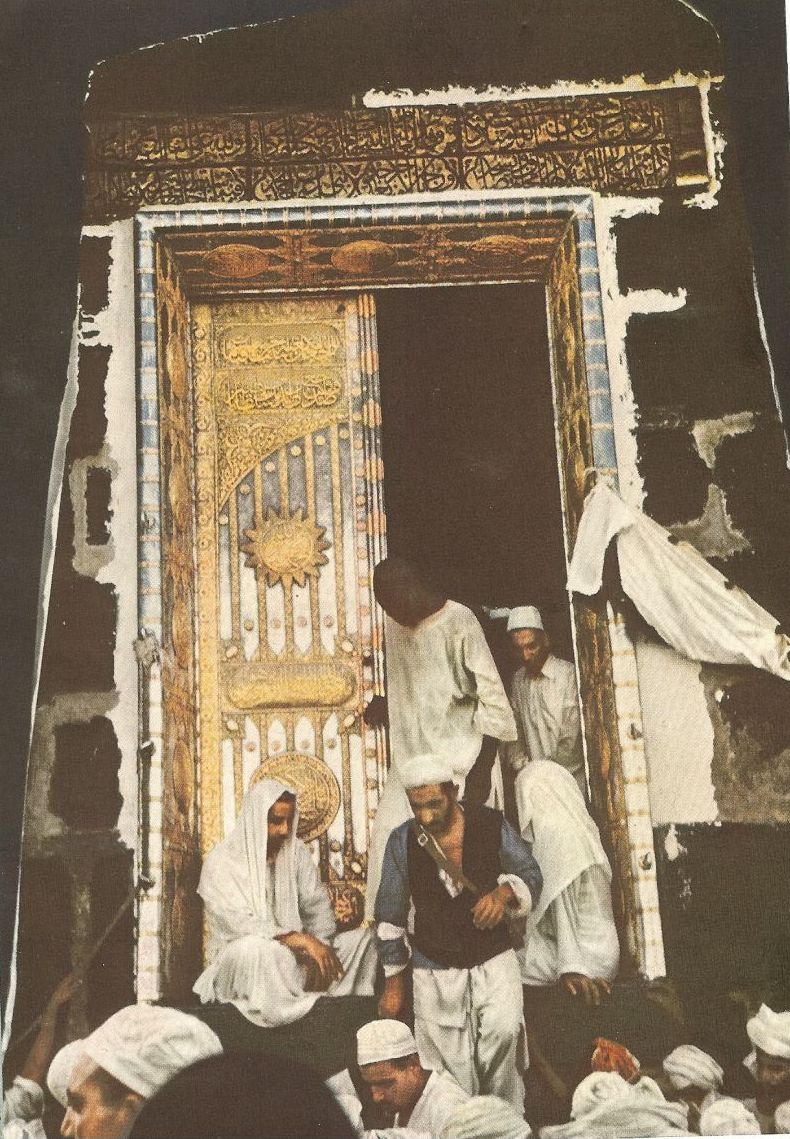
Worshippers were able to enter the Ka’ba.
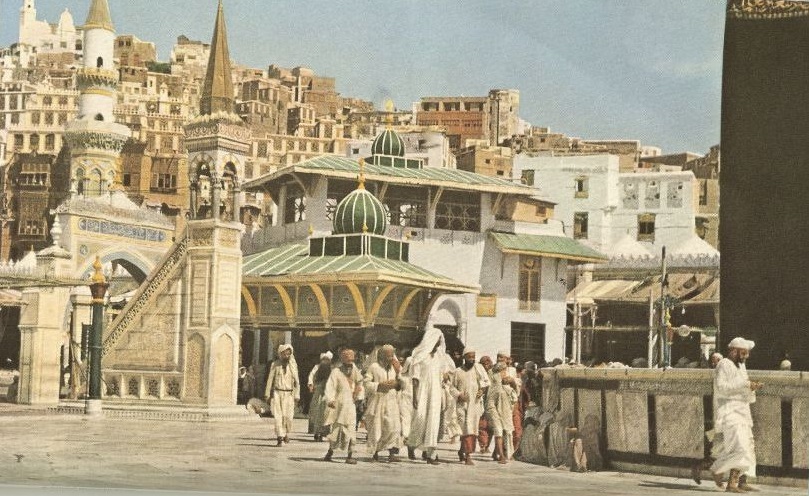
Performing Tawaf was easier as it was not as crowded as it is today.
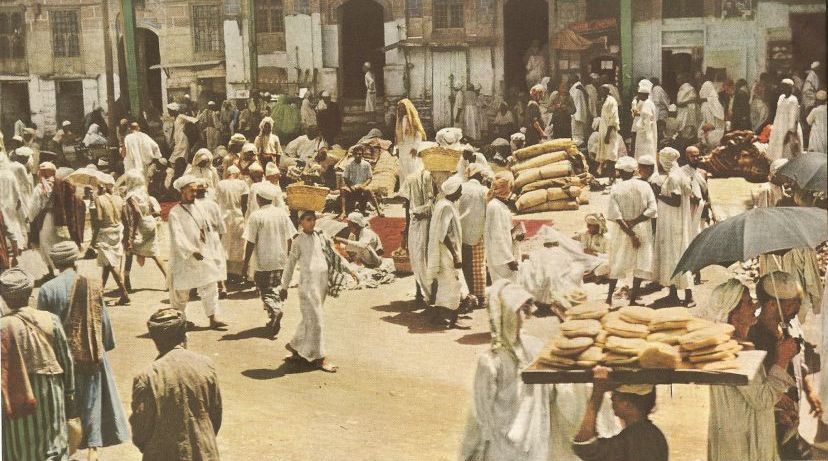
Markets and stalls near the Masjid Al Haram
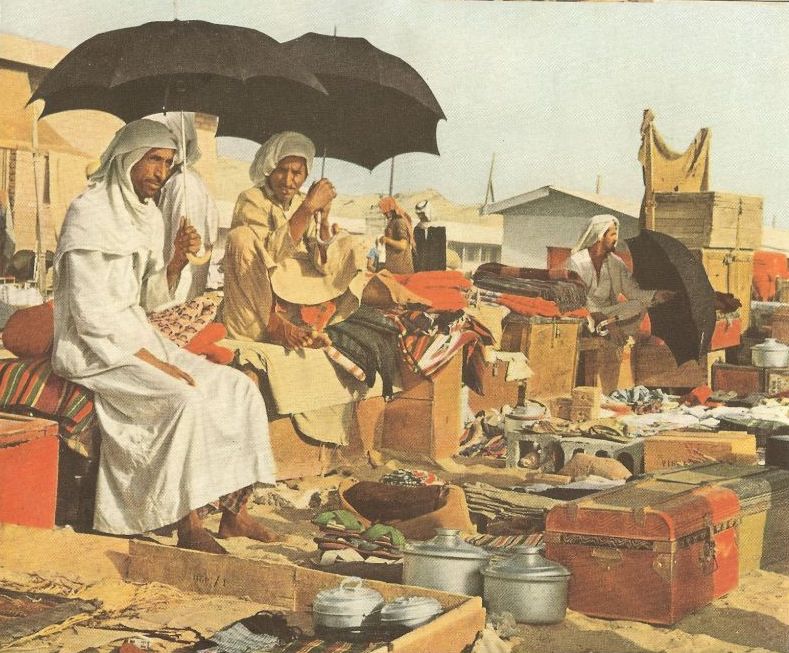
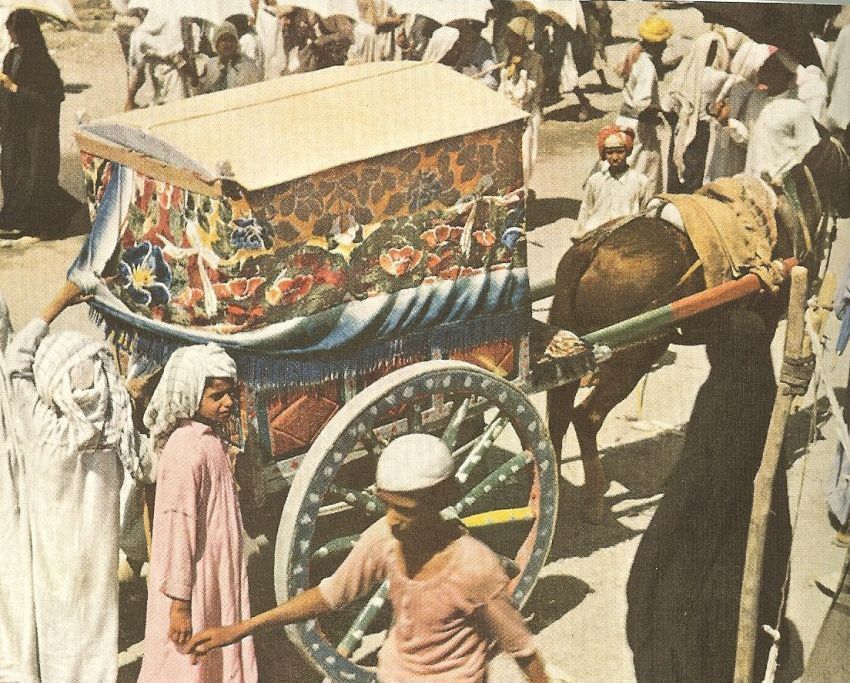
Horse and carriage were used as a means of transport.
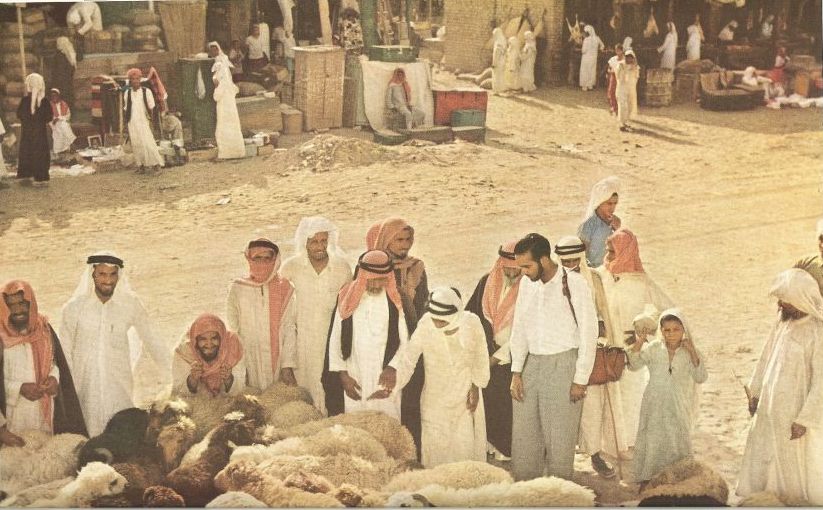
Pilgrims were able to choose the animals they wanted for Udhiyyah/Qurbani.
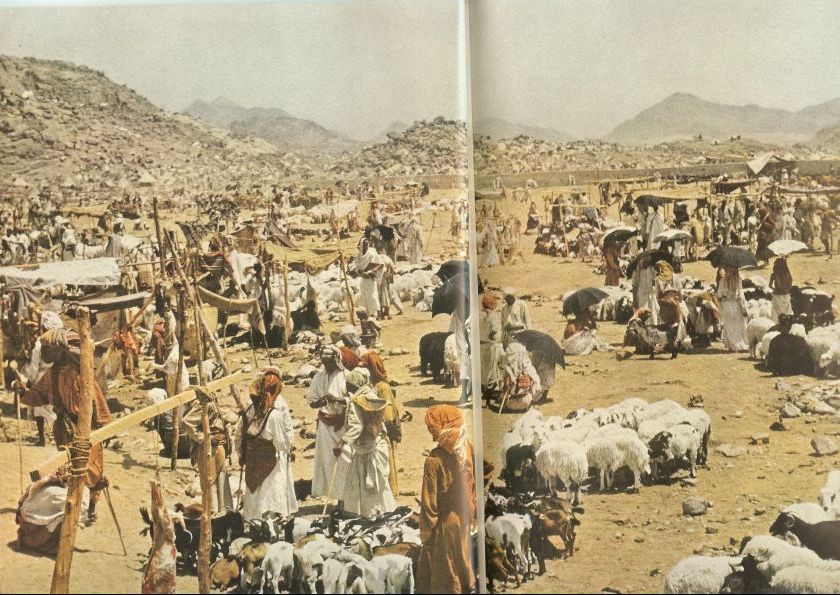
Pilgrims would keep their livestock with them during their Hajj.
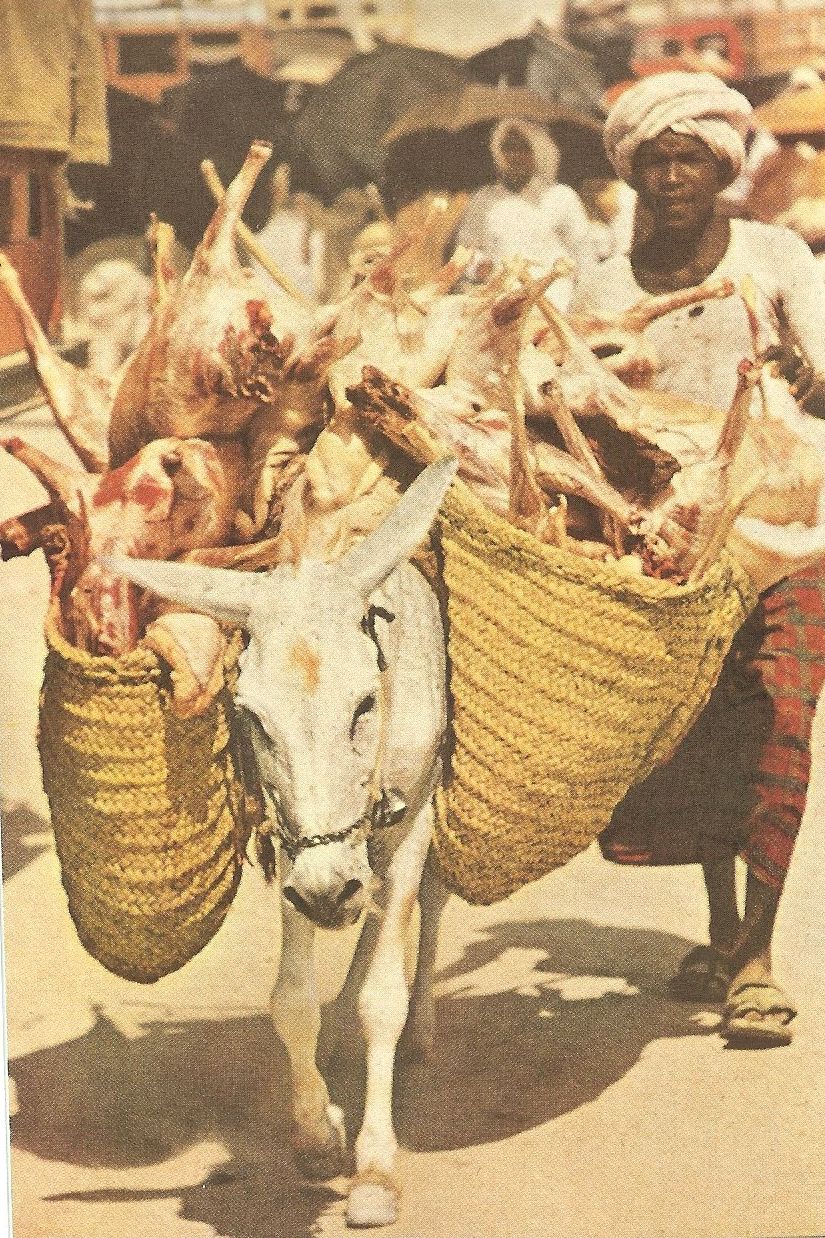
Donkeys were used to transport carcasses of sacrificial animals.
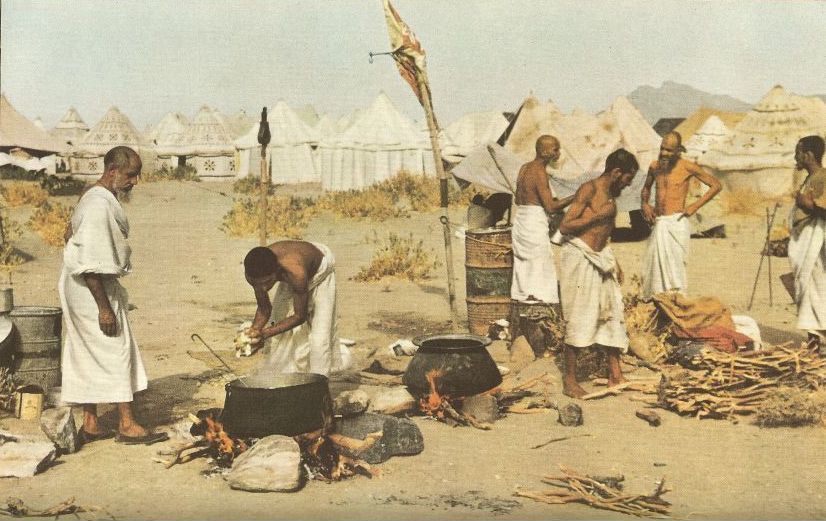
In Mina, food would be cooked using fire and stove.
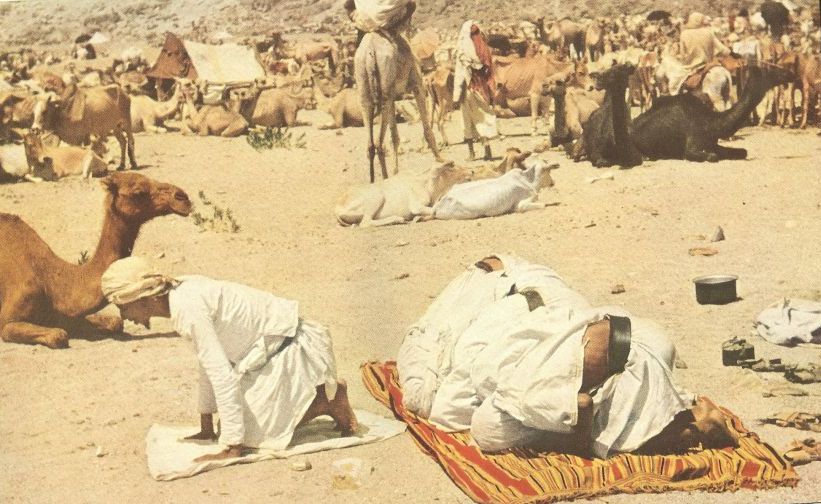
Pilgrims pray near their camels.

Tents can be seen pitched in Arafah next to mount Arafah.
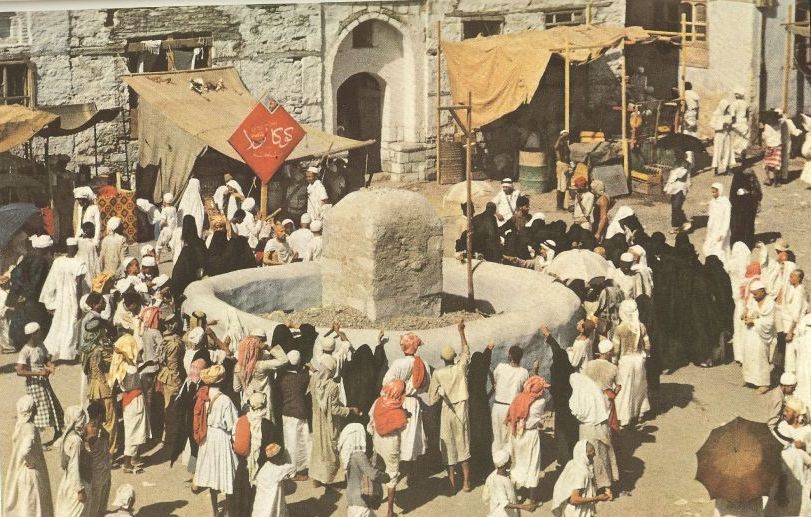
The Jamarat used to be small pillars which would be stoned symbolising stoning of the devil.
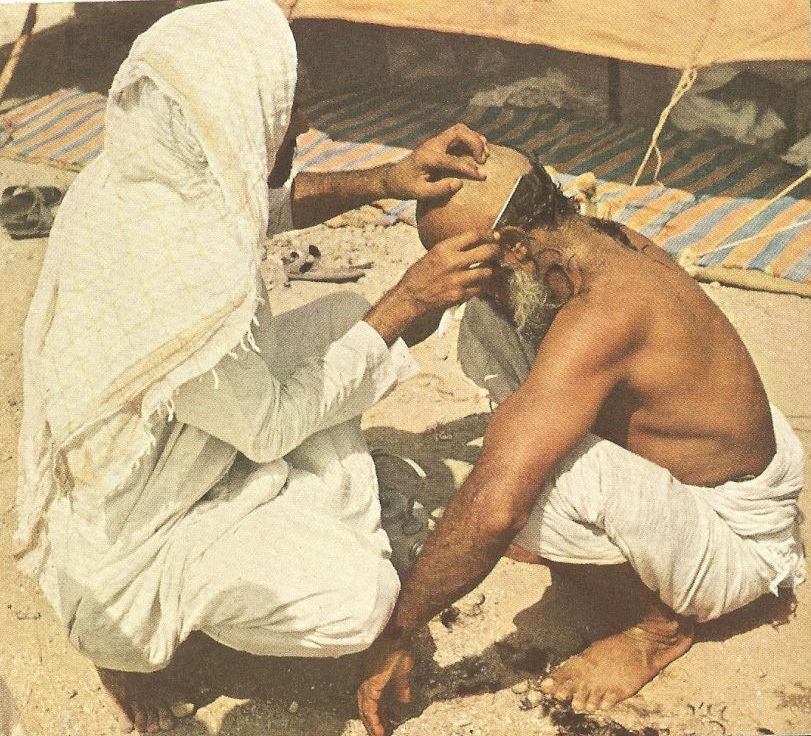
A pilgrim has his hair shaved.


ليست هناك تعليقات:
إرسال تعليق